Seongjeong-dong Thread Lifting: Consider Cheek Movement When Smiling
2026-10-23T04:08:31+00:00
Seongjeong-dong Thread Lifting: Consider Cheek Movement When Smiling
"My mouth corners have dropped, and my smile looks different."
"Will the expression become awkward if I pull with threads?"
"The lines folding under my cheeks are becoming bothersome."

Hello.
I am Noh Tae-ho, the representative director of Forever Clinic Cheonan Branch.
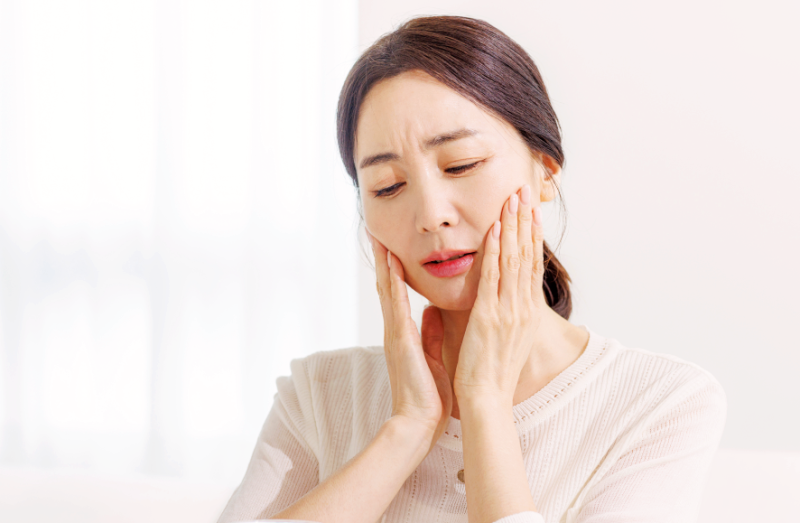
When the skin folds around the mouth or the lower cheeks appear heavy in photos taken while smiling, you might feel that your facial lines have changed.
However, since the face looks slightly different when resting compared to when smiling or talking, it's difficult to consider only pulling the skin upwards.
Especially for those who want their expressions to look natural, they might wonder not only about the degree of pulling but also in which direction the skin should be supported.
For people in Cheonan whose work involves frequent interaction with others, the naturalness of their face when smiling, as well as their appearance in the mirror, can be a concern.
When considering Seongjeong-dong thread lifting, it is helpful to examine both the appearance when looking straight in the mirror and the facial lines when making expressions.
Table of Contents
1. How threads support sagging skin
2. Cheek movement varies with expression
3. Tightness felt immediately after the procedure
4. Lifestyle habits to consider during recovery
5. Frequently Asked Questions
How do threads support the skin?
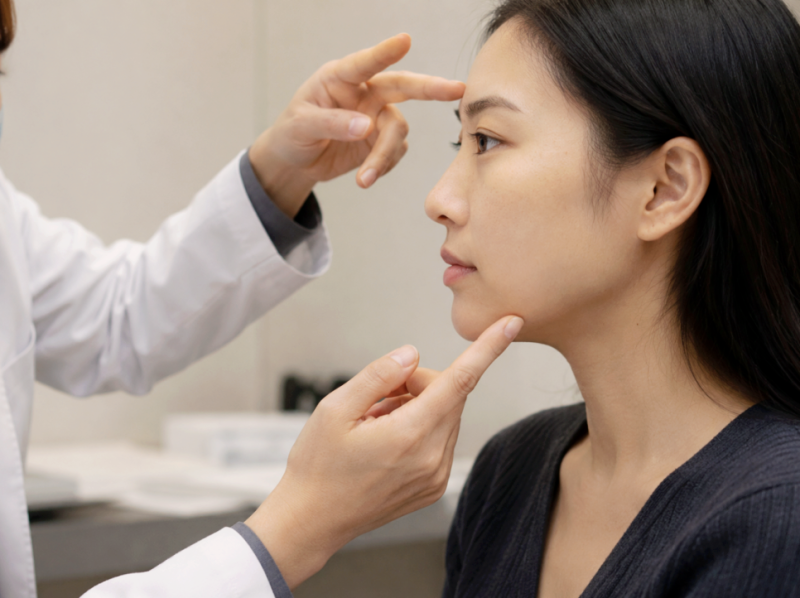
Thread lifting is a method that involves inserting medical threads under the skin to support sagging tissues and pull them in the desired direction.
Depending on the type of thread, small barbs may grip the tissue, and the type of thread and treatment area vary based on skin condition and goals.
It can be considered for areas of concern such as sagging, like when skin gathers under the cheeks or the lines around the mouth become blurred.
The important point here is that erasing wrinkles one by one and adjusting the position of sagging skin are different goals.
Deeply formed lines around the mouth may remain even after supporting the skin with threads, so the depth of the wrinkles and the condition of the surrounding tissues must be considered together.
For Seongjeong-dong thread lifting, it is important to plan the direction of support by selecting specific areas rather than pulling the entire face with the same force.
The face differs when smiling and at rest
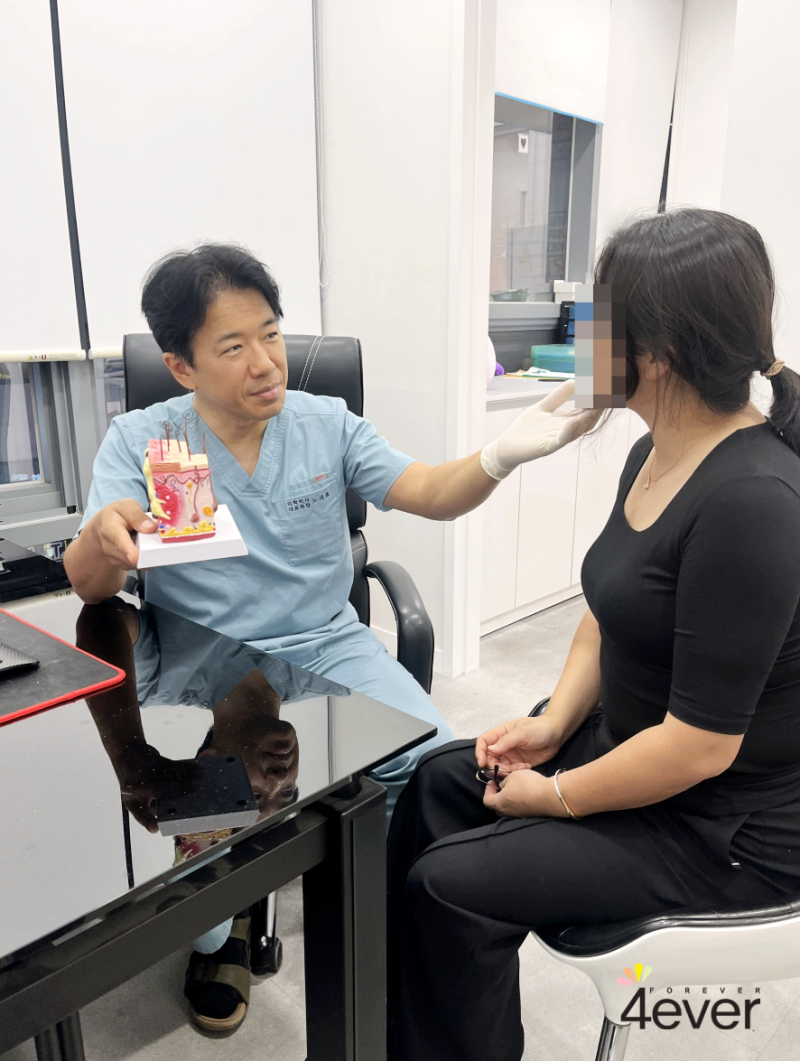
Even if the jawline appears defined when resting, smiling can cause the cheeks to rise, creating folds around the mouth.
Conversely, while the lower cheeks might appear saggy normally, they may be less noticeable when smiling.
Therefore, rather than judging all movements based on a single frontal photo, it is necessary to observe how the skin moves when smiling or talking naturally.
The area around the mouth involves a lot of facial movement, so the treatment area and direction must be carefully determined to avoid an overly pulled sensation.
Skin elasticity and cheek thickness also vary from person to person, so inserting threads in the same location does not produce the same result.
When planning Seongjeong-dong thread lifting, it is helpful to discuss not only the desired facial lines but also the aspects of your usual expressions that you consider important.
How long will the tightness last after the procedure?
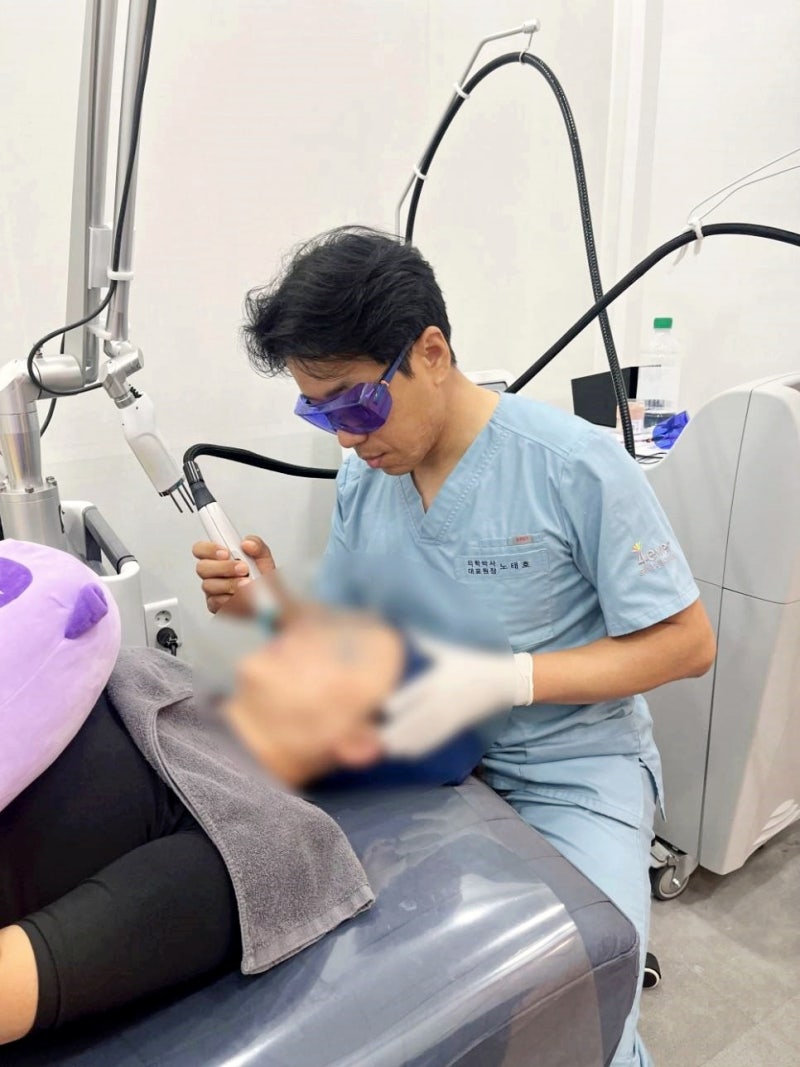
As the threads support the tissues under the skin, you may feel tightness or soreness immediately after the procedure.
Opening your mouth wide or smiling might feel unfamiliar compared to usual, and swelling or bruising can also temporarily alter the appearance of your face.
These initial reactions often subside as you recover, but the duration varies individually.
However, if the skin appears severely sunken, the threads are visible, or redness and pain progressively worsen, it requires examination beyond a simple adaptation period.
After Seongjeong-dong thread lifting, it is advisable to observe both the immediate lifted appearance and the facial lines after swelling subsides.
Communicating any discomfort experienced during recovery can also help in assessing the subsequent progress.
It's best to avoid excessive facial movements in daily life
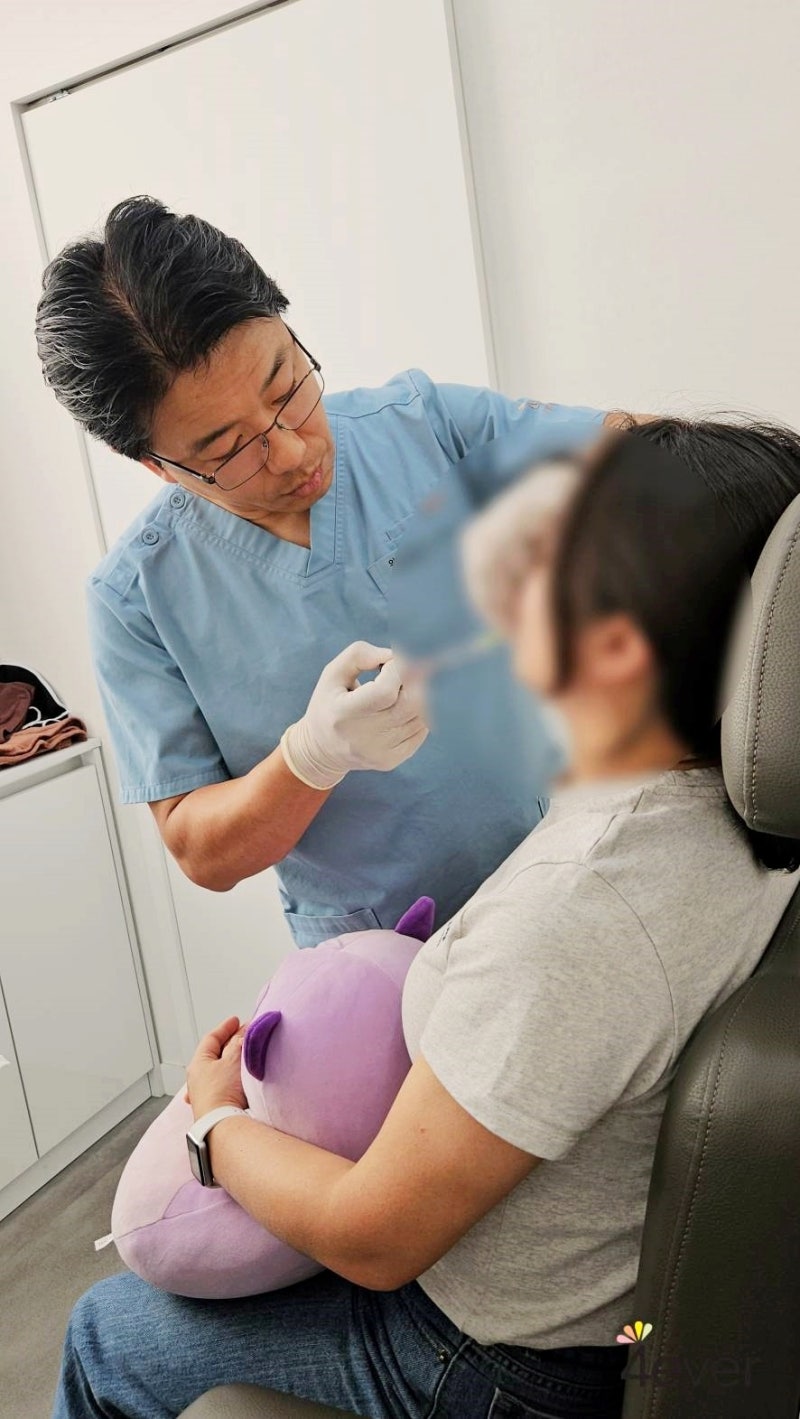
In the early stages when the treated area is settling, applying strong pressure or rubbing can be burdensome.
While you don't need to suppress normal expressions like smiling or talking, it's advisable to be cautious about actions like opening your mouth excessively wide or vigorous facial massages for a while.
When eating, foods that require opening your mouth wide or prolonged chewing may feel uncomfortable initially.
Sleeping positions that involve pressing your face strongly into the pillow can also irritate the treated area, so considering a comfortable sleeping posture is helpful.
Additionally, it's appropriate to manage hot saunas and strenuous exercise while swelling is present, and to handle your skin gently when washing your face.
Post-procedure care for Seongjeong-dong thread lifting can vary depending on the type of thread and the treated area, so adjust your daily routine based on the provided precautions.
Frequently Asked Questions
Q. Will small marks remain where the threads were inserted?
A. Small marks or bruises may temporarily appear at the needle insertion points, and the degree of recovery varies depending on skin condition.
Q. Is it possible to have the procedure in areas where I've had fillers before?
A. The applicability and direction of thread lifting are determined after assessing the location and timing of previous filler treatments.
Q. Do the threads used disappear over time?
A. Absorbable threads decompose within the body over time, but the characteristics differ depending on the type of thread, so it is necessary to check the product used.
Q. Can I have multiple lifting sessions?
A. Whether a subsequent procedure is needed is determined by assessing the type of previous treatments, recovery status, and current degree of sagging.
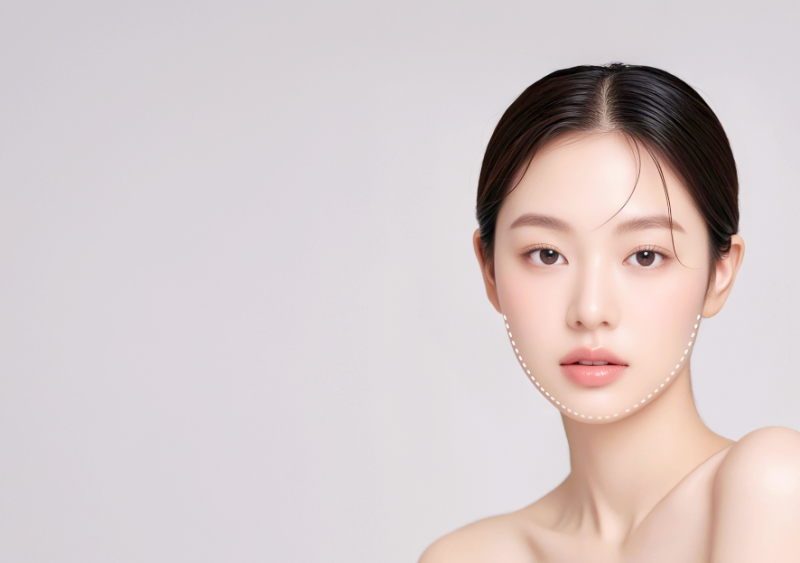
When the mouth area and lower cheeks are a concern, it's advisable to consider your usual smiling face rather than just focusing on how much to pull the skin.
Especially around the mouth, which involves a lot of movement, finding a balance between natural expressions and supporting sagging areas is crucial.
Whether your familiar expressions can be maintained comfortably is also a noteworthy criterion in planning the lifting procedure.
This was Noh Tae-ho, the representative director of Forever Clinic Cheonan Branch.
*This post was written directly by a medical institution in accordance with Article 56 of the Medical Service Act and may contain advertising content depending on interpretation.
This article was written by Forever Clinic Cheonan Branch, located in Cheonan-si, Chungcheongnam-do, in compliance with Article 56, Paragraph 1 of the Medical Service Act. It provides information that may be helpful to those researching skin and diseases. Side effects and results such as swelling, pain, and bruising may vary by individual. Sufficient consultation with a medical professional before the procedure is recommended.
Back to list