How to Manage Scabs After Melasma and Freckle Laser Treatment?
2025-08-08T07:11:34+00:00
This article was written by Forever Clinic Cheongju Branch, located at Gangseo-ro, Heungdeok-gu, Cheongju-si, Chungcheongbuk-do, in compliance with Article 56(1) of the Medical Service Act.
It was written to provide information that may be helpful to those researching skin and diseases.
Side effects such as swelling, pain, and bruising, as well as effects, may vary depending on the individual. We recommend consulting with a medical professional before the procedure.
I heard you need to get a lot of laser treatments to treat melasma...
What should I do about the scabs that form each time?
Hello, this is Baek Doo-san from Cheongju Forever Clinic.
After the procedure, small, thin scabs may form on the surface from melasma and freckle laser treatment.
This is not an unexpected side effect, but part of the skin's natural protection and regeneration process.
The laser destroys melanin pigments and lightly stimulates the epidermis to lighten the pigment.
In this process, part of the epidermis is damaged,
and while new cells take their place,
scabs form to protect it from external stimuli.
This reaction is more likely to occur when using equipment that directly removes epidermal pigments.
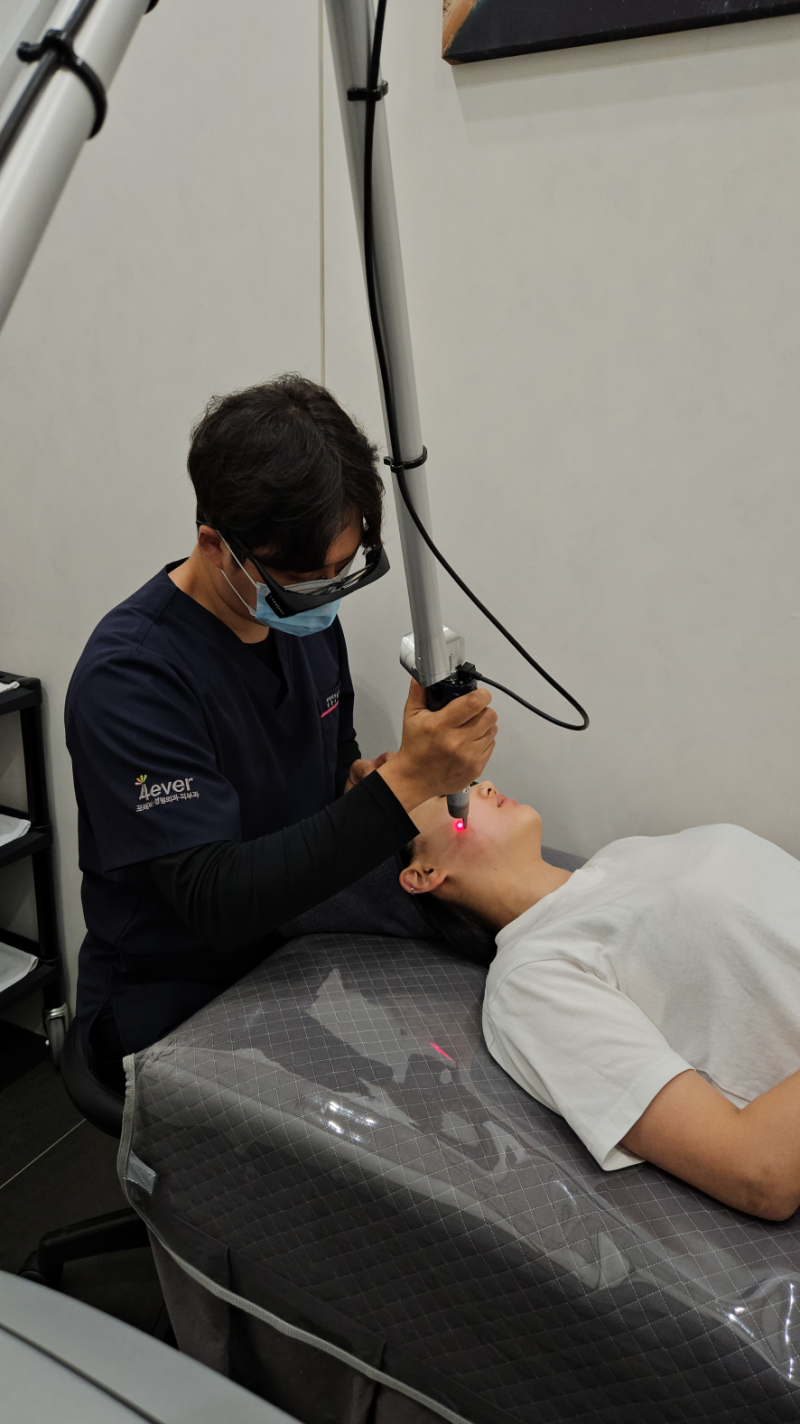
Do not forcibly remove them;
let them fall off naturally.
If you pick or scratch the scabs formed during skin recovery from Cheongju melasma and freckle laser treatment, the wound may be exposed again before the internal tissue is fully regenerated.
This increases the risk of worsening pigmentation or leaving fine scars.
Especially for dry or sensitive skin,
which reacts more sensitively to external stimuli,
it is safest to wait
until the melasma and freckle laser scabs fall off on their own.
During the recovery period, it is important to minimize unnecessary friction and avoid touching the area.
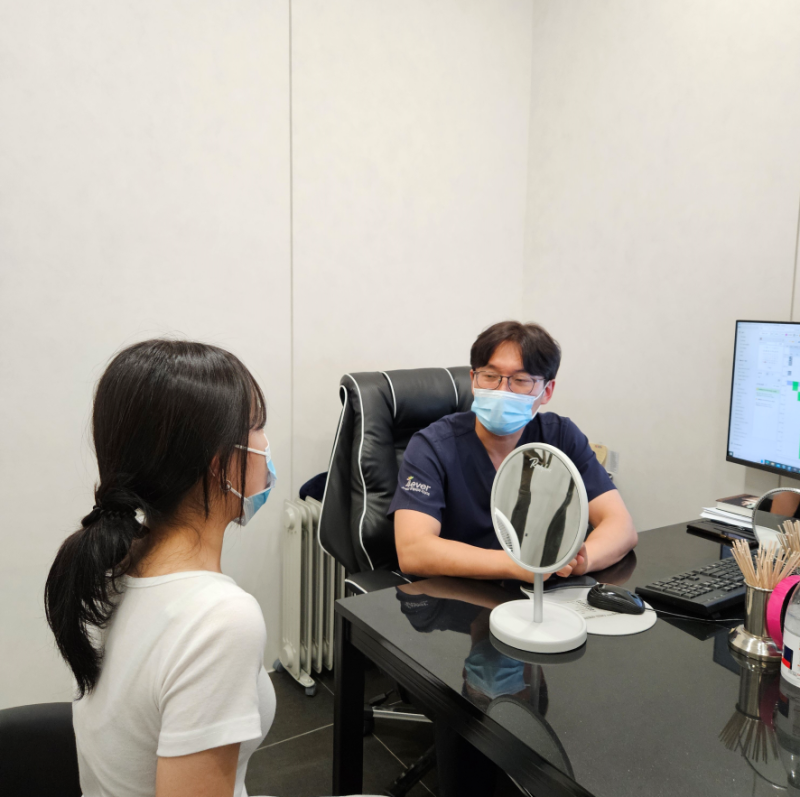
Wash and moisturize
gently.
After the procedure, the skin becomes temporarily sensitive and prone to moisture loss.
When washing your face, it is best to use lukewarm water rather than hot or cold water, and it is advisable to choose a low-irritant cleanser that does not burden the skin barrier.
Lather sufficiently, apply to the face, wash gently, and absolutely do not rub when rinsing.

After washing, gently pat the skin to absorb moisture instead of rubbing, which is beneficial for recovery.
Also, immediately after, it is recommended to apply a light, fast-absorbing regenerating cream in small amounts multiple times to maintain moisture.
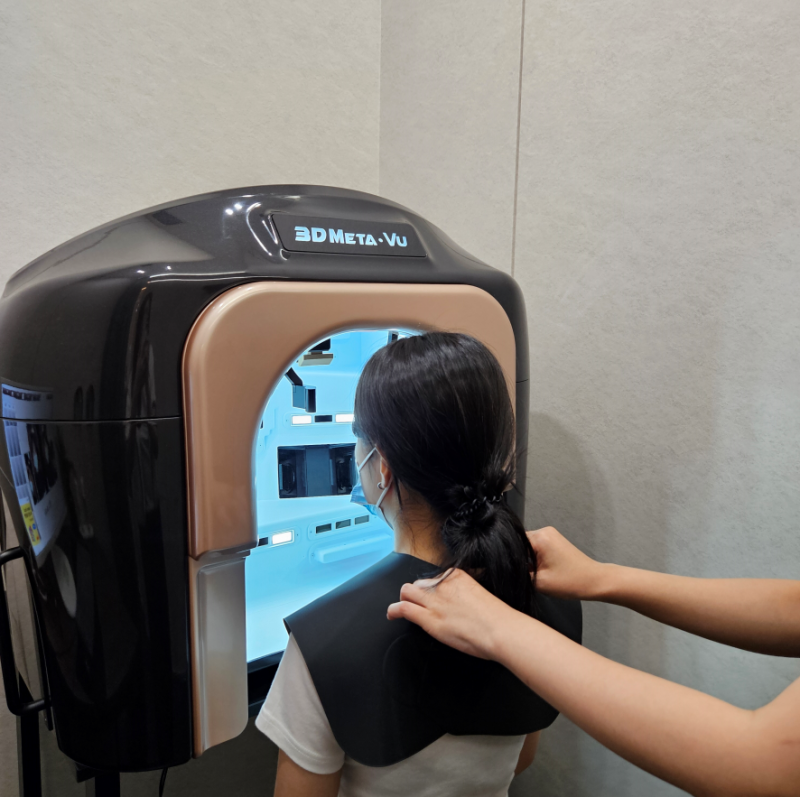
Sun protection should be practiced
habitually from immediately after the procedure.
Melasma and freckles are easily aggravated by UV rays, and the skin with scabs from Cheongju melasma and freckle laser treatment is particularly sensitive to UV stimulation.
If the melanocytes reactivate, the pigment may recur or darken, so apply a sunscreen with SPF 30 or higher and PA++ or higher before going out.
Even if you are indoors, light passing through windows can have an effect, so it is good to develop a habit of blocking UV rays in daily life.
Using a wide-brimmed hat or parasol in addition can provide physical blocking effects.
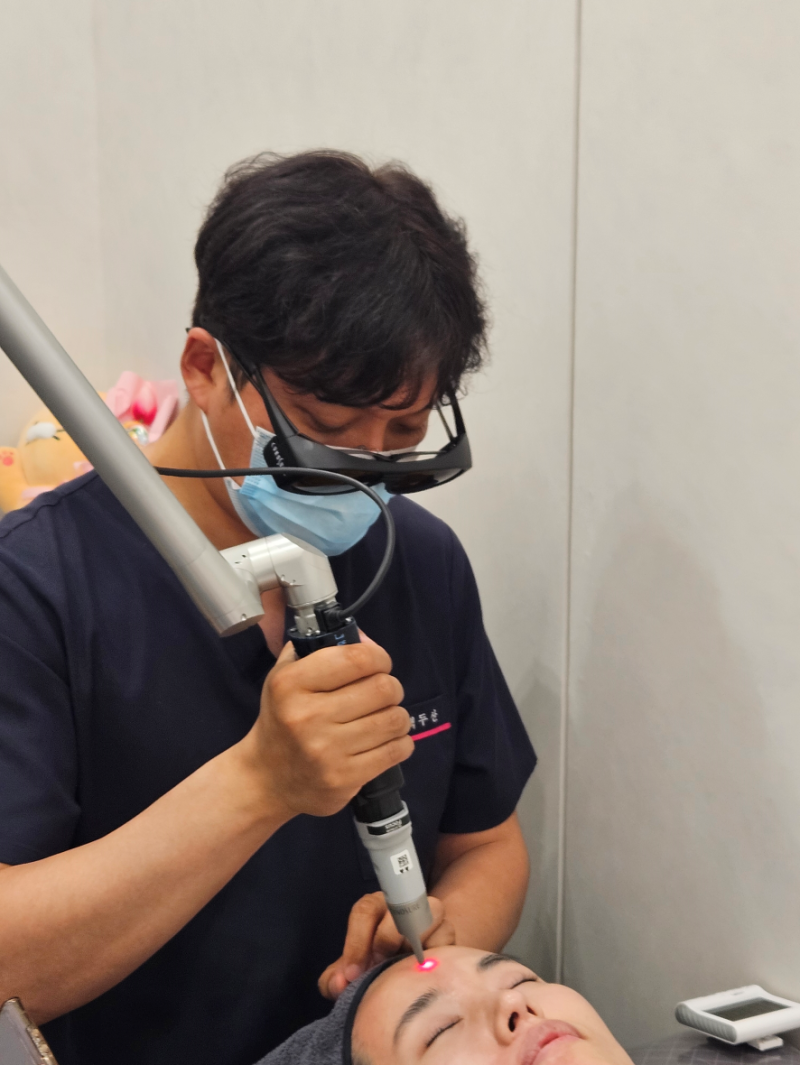
Avoid activities that raise body temperature
immediately after the procedure.
To minimize the formation of scabs from melasma and freckle laser treatment or to speed up recovery, it is recommended to avoid activities that raise body temperature, such as exercise, saunas, and drinking alcohol, for a few days.
This is because an increase in body temperature can rapidly increase blood circulation, worsening skin irritation and swelling.
Also, avoid excessive exfoliation, face masks, and beauty device use for at least one week.
The key during the recovery period is to minimize stimuli as much as possible and give the skin time to regenerate on its own.

Ultimately, managing scabs from melasma and freckle laser treatment can be seen not just as protecting the treated area, but as a process of maintaining overall skin health.
By safely maintaining the area and allowing the scabs to fall off naturally,
consistent gentle cleansing, sufficient moisturizing, and thorough sun protection
can reduce the risk of recurrence and increase the likelihood of recovering clear skin.
It would be even better if combined with regular lifestyle habits and a balanced diet.
We hope that adhering to the information provided today will greatly help you achieve satisfactory results.
Thank you.
*This post was written directly by this medical institution in accordance with Article 56 of the Medical Service Act and includes medical advertising content as interpreted.
Back to list