How Painful is Potenza Really?
2025-06-09T00:00:00+00:00
This article was written by Forever Clinic Cheongju Branch, located at Gangseo-ro, Heungdeok-gu, Cheongju-si, Chungcheongbuk-do, in compliance with Article 56, Paragraph 1 of the Medical Service Act.
It is intended to provide helpful information for those researching skin and its conditions.
Swelling, pain, bruising, and other side effects and results may vary depending on the individual. We recommend a thorough consultation with medical staff before the procedure.
I'm considering Potenza for summer skin care,
but I'm hesitant because of the pain.
Hello, this is Baek Doo-san from Forever Clinic Cheongju.
Recently, interest in various skin treatments has been increasing, and the first concern is always 'How much will it hurt?'
Especially when the method involves needles directly touching the surface, that worry tends to grow.
Since Potenza also operates with micro-needles
coming into contact with the skin,
there are many questions about the pain.
So, what does the actual pain of Potenza in Cheongju feel like, and is it bearable?
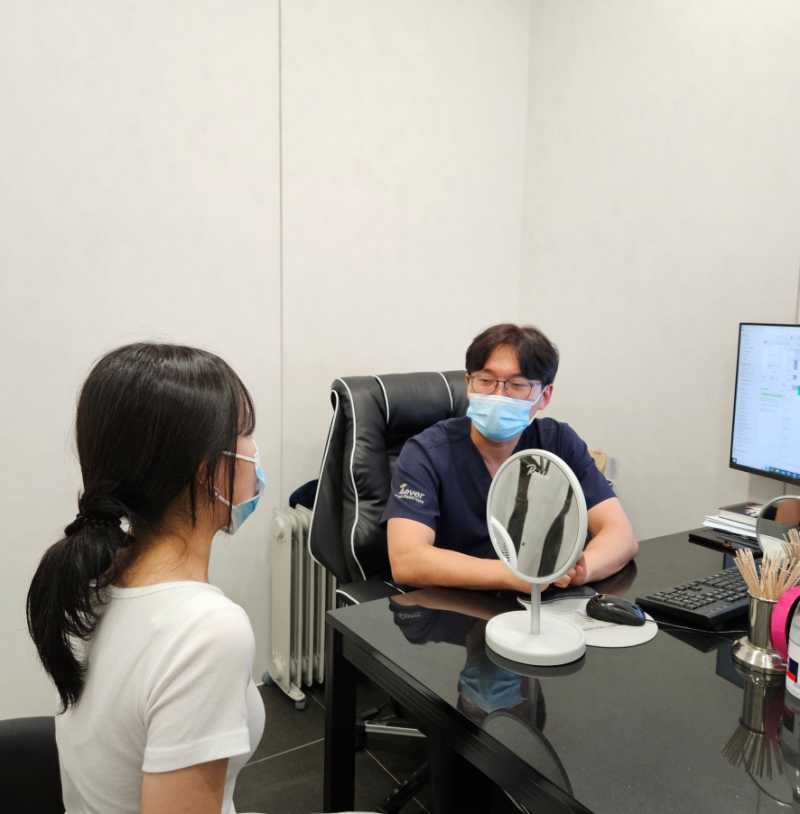
It is a procedure that delivers radiofrequency energy uniformly
deep into the skin.
This stimulates collagen production and helps improve various skin concerns.
Micro-needles penetrate the dermis, and radiofrequency heat is delivered through them.
This process stimulates regeneration.
It can be tried by those with enlarged pores, uneven skin texture due to acne scars, dull complexion, or loss of elasticity.
The tip used can be adjusted according to depth
and is applied
customized to various areas.
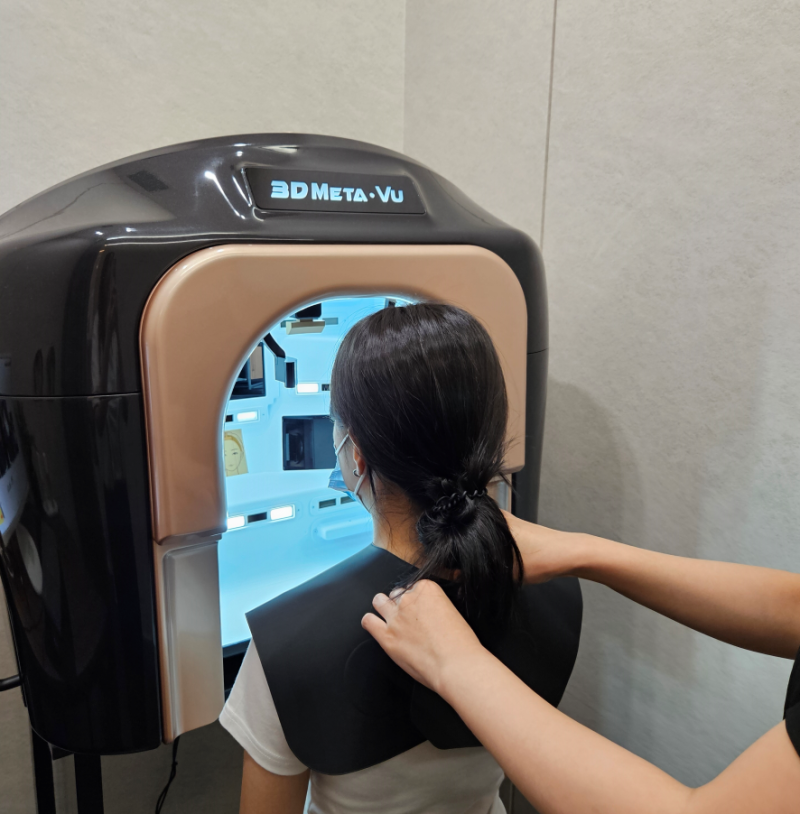
The pain felt during this
varies greatly by individual.
The sensation of pain from Potenza in Cheongju is bound to differ from person to person.
However, summarizing general reviews, it is described as a bearable prickling sensation or momentary stimulation.
You might feel a slight prick when the laser is emitted, and some may feel heat, but since anesthetic cream is usually applied sufficiently before starting, the stimulation is significantly reduced.
Of course, if you have thin skin or are sensitive to pain, it might be uncomfortable, so it's best to confirm the application of anesthesia during your pre-procedure consultation.

Temporary discomfort
may occur.
Even if the Potenza pain is minimal, you might feel residual warmth, and depending on the area, redness may persist for a day or two.
However, these reactions are generally part of the natural healing process and subside over time.
If pain or stinging continues, it might indicate excessive treatment, so it's advisable to consult the medical institution. But in most cases, recovery is possible without significant discomfort by using cold compresses or soothing creams.

The statement that Potenza is completely painless
is not true.
All procedures inevitably involve some level of stimulation.
However, the intensity and duration of this stimulation can be adjusted.
Furthermore, the skillful hands of experienced medical professionals can significantly reduce discomfort during the procedure.
The key is not to follow a set pattern
but to perform the procedure according to
each individual's condition.
Therefore, more important than the equipment
is the skill and judgment of the medical staff.
While stimulating procedures might seem daunting, it's also true that the results achievable with Potenza are often evaluated very positively.
Skin regains elasticity, the texture of rough surfaces becomes smoother, and scars from recurrent breakouts become noticeably improved.
What's needed for these changes is not mere 'endurance' but accurate information and a personalized plan.
If you have a thorough consultation and approach the treatment based on a diagnosis of your current condition, even the Potenza pain you were worried about can feel much more manageable.
Thank you.
*This post was written directly by this medical institution in accordance with Article 56 of the Medical Service Act and may contain medical advertising content depending on interpretation.
Back to list