How to Manage Warts After Treatment at a Cheongju Dermatology Clinic
2025-05-15T00:00:00+00:00
This article was written by Forever Clinic Cheongju Branch, located at Gangseo-ro, Heungdeok-gu, Cheongju-si, Chungcheongbuk-do, in compliance with Article 56(1) of the Medical Service Act.
It was written to provide information that may be helpful to those researching skin and diseases.
Side effects and effects such as swelling, pain, and bruising may vary by individual. We recommend consulting with a medical professional before the procedure.
If warts recur even after treatment at a Cheongju dermatology clinic,
is it due to improper management?
Hello, this is Baek Doo-san from Cheongju Forever Clinic.
Warts may seem to disappear easily with treatment once they appear, but in reality, the period after treatment is more important.
This is because it is a viral disease, not just a simple lesion.
It's common to think, 'It's over once it's all removed,' but in reality, it's not uncommon for the remaining virus to resurface and recur.
Therefore, if you are considering wart treatment at a Cheongju dermatology clinic, it is important to know in advance what kind of management is needed afterward.
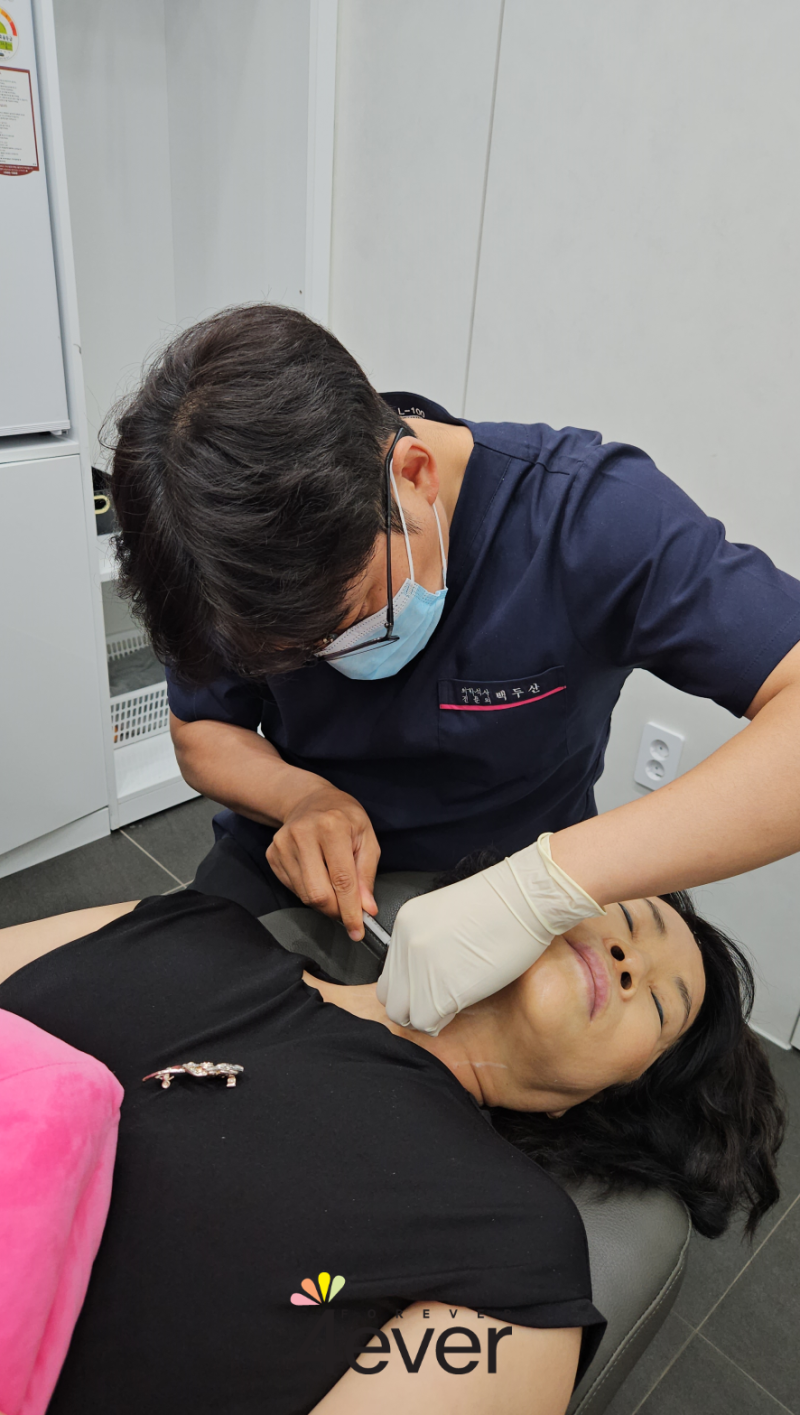
The most important thing immediately after removal is 'minimizing irritation'.
The skin sustains physical damage during the process of removing warts at a Cheongju dermatology clinic.
Especially in areas treated with laser or cryotherapy,
the barrier is temporarily
compromised.
At this time, if you scratch or touch it carelessly, infection can occur or it can lead to pigmentation.
The initial 1-2 weeks are a period when external stimuli should be avoided as much as possible.
When washing your face, gently rinse with water only, and of course, avoid exfoliants or scrub products.
If scabs naturally form, you need the patience to wait for them to fall off on their own, rather than forcibly removing them.
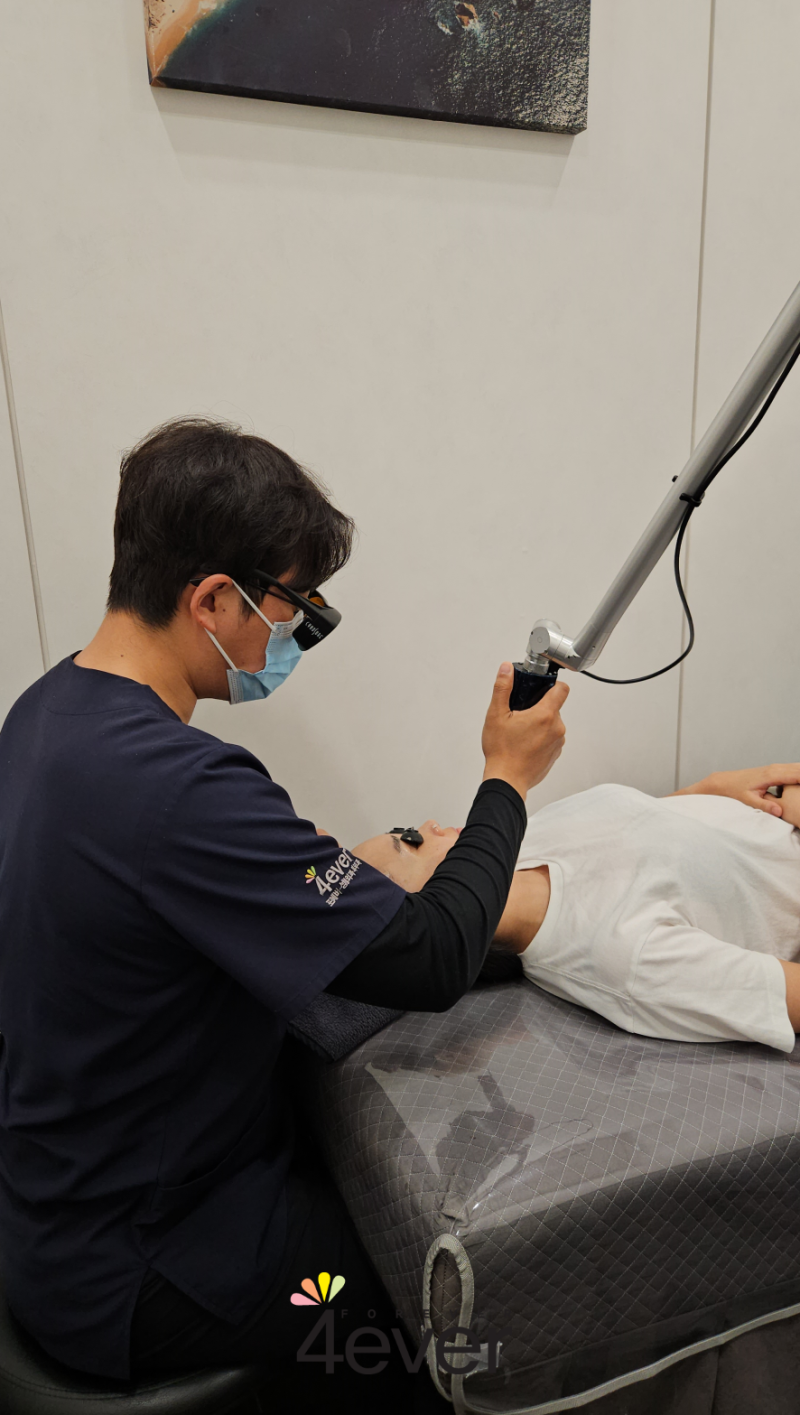
Sunlight is a factor that
causes wart recurrence.
After the procedure, the sensitive skin is very vulnerable to UV rays.
Exposure to strong sunlight can cause pigmentation, and the treated area may become discolored and dark.
In severe cases, it can even develop into dermatitis or inflammation.
To prevent this, diligently applying sunscreen with SPF 30 or higher is fundamental.
When going out, it is advisable to also use physical barriers such as hats or parasols.
Remember that sun protection is not just a cosmetic issue,
but an important management method
for preventing recurrence.
Moisturizing, which boosts immunity
and aids regeneration, is essential.
Since warts are caused by Human Papillomavirus (HPV) infection, the probability of recurrence increases when the immune system is weakened.
Therefore, efforts to consistently boost immunity are necessary even after treatment.
A balanced diet and sufficient sleep are fundamental.
It is also good to frequently consume fruits and vegetables rich in vitamins C and A, and to include foods that warm the body.
Stress is also a major culprit in weakening immunity, so managing both mind and body through regular exercise or hobbies is important.
It is recommended to apply a moisturizer containing ingredients that strengthen the skin barrier two to three times a day.
Especially after showering, before and after going out, and before sleeping, be sure to apply moisturizer to prevent the skin from becoming dry.
Moist, hydrated skin acts as a natural shield, making it difficult for the virus to reinvade.
Wart treatment at a Cheongju dermatology clinic is not a problem that ends with 'removal'.
Consistent management is essential to suppress the remaining virus and maintain healthy skin.
Minimizing irritation, thorough sun protection and moisturizing, and boosting immunity are the ways to win the battle.
And above all,
choosing a reliable medical institution
that can protect my skin for a long time
is also an important criterion that cannot be overlooked.
It would be a wise choice to look for a place that offers long-term management, not just a one-time procedure. Thank you.
*This post was written directly by this medical institution in accordance with Article 56 of the Medical Service Act and includes medical advertising content depending on the interpretation.
Back to list