Reducing Hair vs. Soothing Skin: Understanding the Difference at a Suwon Starfield Dermatology Clinic
2026-10-24T00:00:00+00:00
Reducing Hair vs. Soothing Skin: Understanding the Difference at a Suwon Starfield Dermatology Clinic
“My neck stings when I wear a shirt after shaving.”
“Small red bumps keep appearing under my chin.”
“Can ingrown hairs also be removed by laser hair removal?”
Hello.
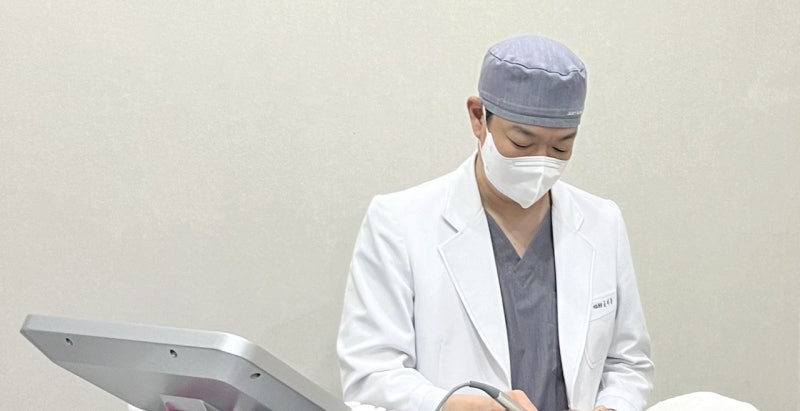
I am Geum Je-hun, CEO Director of Forever Clinic Suwon Branch.
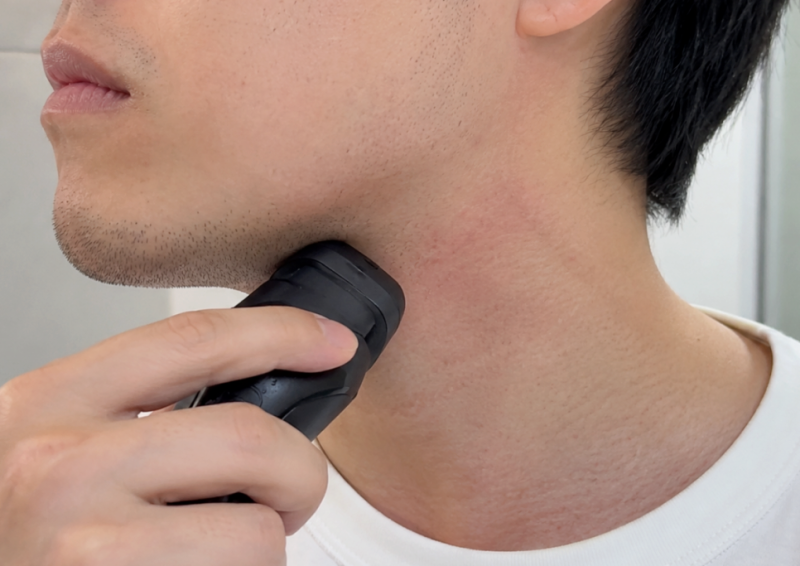
When shaving every day, you might find yourself more concerned about the stinging or redness after shaving than about neatly removing hair.
Especially if bumps repeatedly appear on areas like the chin or neck where collars frequently rub, you may wonder if you need to change your shaving method.
Even if they appear as similar small bumps on the surface, it's important to distinguish between hairs that curl inward under the skin and actual inflammation.
Among those looking for laser hair removal in Suwon, some are more concerned about reducing skin sensitivity after shaving than about the amount of hair.
Understanding the reasons for bumpy skin and the role laser hair removal can play will be helpful when searching for a Suwon Starfield Dermatology Clinic.
Table of Contents
Difference in Small Bumps After Shaving
How Laser Hair Removal Reduces Repeated Irritation
What to Check Before Treatment When Skin is Red
Distinguishing Skin Reactions Immediately After Laser
Frequently Asked Questions
Ingrown Hairs vs. Skin Inflammation: They Are Different
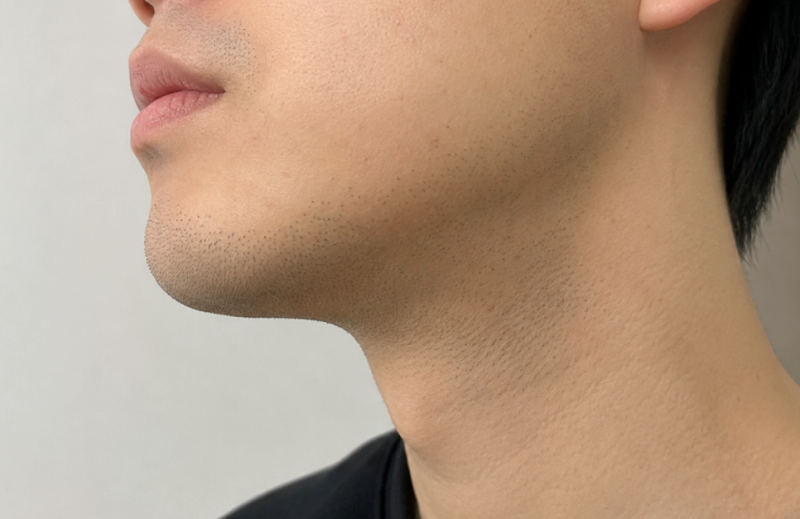
When short hairs after shaving fail to grow straight out of the skin and curl inward, small bumps or red marks can appear.
This condition is commonly called ingrown hair and is more likely to occur in areas with coarse or curly hair.
On the other hand, folliculitis is inflammation around the hair follicle opening, which can be accompanied by red bumps or pus.
Since both can occur together, it's difficult to assume they are the same problem just by looking at the surface.
Especially if you squeeze the bumps or try to forcibly extract the ingrown hair, you can cause scarring on your skin.
If you are concerned about shaving-related issues at a Suwon Starfield Dermatology Clinic, you can start by examining when the problem began and in which areas it occurs.
Is Laser Hair Removal a Treatment for Bumps?
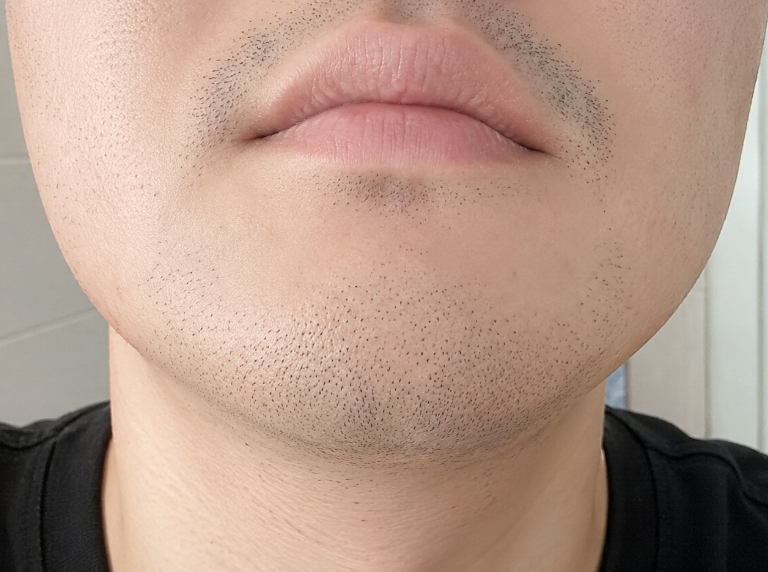
Laser hair removal uses light that reacts with hair pigment to deliver heat to the hair growth area, helping to reduce future hair growth.
For areas where hair grows thick and requires frequent shaving, it can help reduce the frequency of shaving and friction over time.
Individuals who repeatedly experience ingrown hairs may also consider laser hair removal for this reason.
However, laser treatment does not directly treat existing folliculitis, so if you currently have inflammation, appropriate management may be needed first.
Since hair grows in different cycles, treatments are often planned over multiple sessions, and the response varies depending on hair thickness and skin condition.
When looking for a Suwon Starfield Dermatology Clinic, it's advisable to consider the long-term goal of reducing repeated shaving irritation rather than just immediate bump removal.
What Should Be Communicated on Red Skin Days?
Some days, skin may sting briefly after shaving and then calm down quickly, while other times, red bumps and pus can persist for days.
When planning a procedure, it's important to check for any existing wounds or inflammation and, if necessary, to first focus on soothing the skin condition.
It's also helpful to mention recently used shaving products, topical medications, or if the skin has been exposed to the sun.
The treatment area may be determined differently based on whether the bumps are widespread or concentrated in one spot.
When researching Suwon Starfield Dermatology Clinics, it's crucial to consider whether your skin is in a suitable condition to handle light and heat stimulation, rather than just comparing laser names.
Are the Bumps After Laser the Same Problem?
Immediately after hair removal, the areas where hair was present may appear as small bumps or look red.
This can be a temporary skin reaction to the laser and should be distinguished from the recurring bumps that occur after shaving.
It's helpful to avoid hot water and strong friction and use gentle moisturizers while the skin calms down.
Depending on the area, sweat or friction from clothing can cause discomfort, so it's best to minimize irritation while the skin is sensitive.
If blisters form, or if pain and redness worsen, medical attention is required.
When considering hair removal at a Suwon Starfield Dermatology Clinic, understanding the difference between temporary post-procedure reactions and recurring inflammation is beneficial.
Frequently Asked Questions
Q. Does thicker beard hair mean more pain during laser hair removal?
A. Areas with thicker hair may feel a stinging sensation, and the level of pain varies individually.
Q. Should I replace my razor frequently?
A. Dull or contaminated blades can increase skin irritation, so it's best to use clean shaving tools.
Q. Is it possible to undergo treatment while using acne medication?
A. Skin reactions can vary depending on the type of topical or oral medication used, so it's necessary to check the medications you are currently using beforehand.
Q. Can I exercise immediately after laser hair removal?
A. If redness or heat remains on the skin, it's advisable to refrain from strenuous exercise involving sweat and friction for a while.
If bumps appear in the same spot every time you shave, you can investigate whether it's simply because hair grows quickly, or if ingrown hairs or inflammation are the cause.
The desire to reduce repeated irritation and the need to soothe existing skin troubles are distinct goals.
Distinguishing between these two can help you more clearly determine when to start hair removal and when to prioritize skin care.
This has been Geum Je-hun, CEO Director of Forever Clinic Suwon Branch.
This article is informative content written directly in compliance with Article 56, Paragraph 1 of the Medical Service Act and relevant guidelines.
※ This is not intended to recommend specific medical institutions or procedures; its purpose is to provide objective health information.
※ The content of this post is not subject to medical advertising review and is intended to convey public interest information.
※ All procedures may vary depending on individual circumstances, and unexpected situations may arise, requiring discussion with a medical professional.
Back to list